
Mauritius Adventure Trip Planning: How to Balance Hiking, Waterfalls and Coast Time
Plan a balanced Mauritius adventure trip with hiking, waterfall landscapes, lagoon time and coastal recovery, without turning the holiday into a tiring checklist.
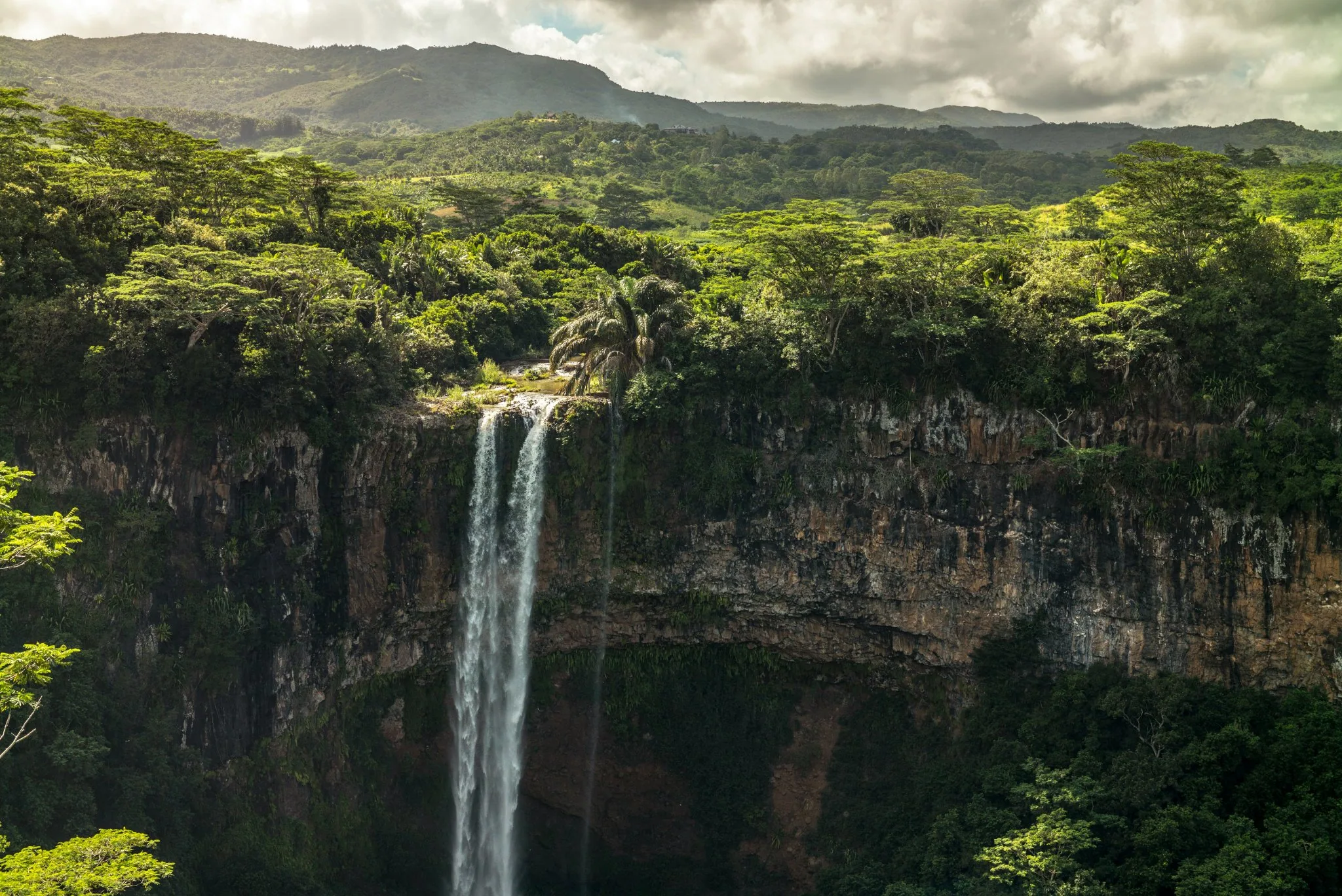
Plan a balanced Mauritius adventure trip with hiking, waterfall landscapes, lagoon time and coastal recovery, without turning the holiday into a tiring checklist.
Good to know
As early as you can, especially if you are travelling as a family, small group or for a special occasion. Early planning gives more room to shape the route, pace and guided days around your needs. If your dates are closer, it is still worth asking, but the plan may need to be more flexible.
Yes. That balance is usually the point of a good Mauritius adventure plan. An Deor can help combine hikes, waterfall landscapes, lagoon time and quieter coast days so the trip feels active without becoming exhausting.
Yes. For families and special occasions, the planning should consider pace, comfort, start times, transfer length and recovery time. The aim is to create a journey that feels personal and manageable, not just full.
Plan the next step
Mauritius adventure trip planning works best when you think in rhythms, not checklists. A good active trip can include a mountain morning, a waterfall or river day, a calm lagoon outing and time on the coast. But it does not need to become a heroic daily mission where everyone needs a nap before dinner.
The strongest active Mauritius itinerary usually has contrast. One day may be about height and views. Another may be about freshwater landscapes. Another may be slower, with a kayak, a swim, a coastal walk or simply nothing more ambitious than choosing where to sit for sunset.
That balance is where tailor-made planning helps. Instead of buying separate activities one by one and hoping they fit together, you can shape the journey around your pace, your base, your comfort level, your group and the kind of memories you actually want to bring home.
A nature-led adventure plan suits travellers who want Mauritius to feel active, but still like the idea of unhurried mornings, good meals and a little breathing room. It can work well for active couples, small groups, honeymooners who prefer landscapes over long resort days, and families with older children who enjoy being outdoors.
It is also useful for travellers who have already spotted several tempting experiences and are wondering how to fit them together. A hike, a waterfall day and a lagoon outing may all sound easy on paper. The real question is whether they make sense in the same week, from the same base, with the same energy level.
The best adventure plan is not the busiest one. It is the one you can enjoy properly while you are here.
An Deor travel planning note
For a short stay, two or three active days can be enough. For a week, you might plan three or four fuller nature days and keep the rest softer. For ten days, there is room to include more variety, but the same rule still applies: do not stack every demanding activity back to back.
A simple way to plan is to divide your days into three types: active days, soft-adventure days and recovery days. Active days might include a hike or a waterfall experience. Soft-adventure days might be kayaking, a coastal outing or a gentle nature visit. Recovery days are for the beach, a slow lunch, a short swim or doing very little without guilt.
If you are travelling as a family or group, plan around the least enthusiastic person, not the most energetic one. This is not because the energetic person is wrong. It is because one tired traveller can turn a beautiful day into a negotiation committee.
A balanced Mauritius nature itinerary usually starts with a few building blocks. You do not need all of them. You need the right mix for your travel style.
Mountain and viewpoint days are often best placed early in the trip, when everyone is curious and ready to move. These days can feel very rewarding, but they are not always the best choice after a late arrival, a long transfer or a heavy previous day.
Waterfall and river landscapes bring a different kind of energy. Some travellers want a scenic nature day. Others are drawn to more physical waterfall experiences. Either way, it helps to be honest about fitness, water confidence and comfort with uneven ground before building this into the plan.
Lagoon and coast time keeps the trip from becoming too land-heavy. A calm water-based day can sit nicely after a hike, especially if the activity is chosen with care and does not involve rushing across the island just to tick off another stop.
One of the easiest ways to make an active trip feel harder than it needs to be is to ignore geography. A beautiful plan on a screen can become tiring if each day starts with a long drive in a different direction.
When An Deor shapes a tailor-made Mauritius adventure, the route is not only about what looks exciting. It is also about where you sleep, how early you are happy to start, whether you prefer private guidance, and how much downtime you want between bigger days.
A sensible approach is to group nearby landscapes where possible. If a mountain day and a quieter coastal afternoon work well from the same side of the island, keep them together. If a waterfall day needs a certain level of energy, avoid placing it after another demanding outing. The goal is not to remove movement from the trip. It is to make the movement feel worthwhile.
The first thing to avoid is the temptation to make every day a headline. If Monday is a big hike, Tuesday does not always need to be another early start with wet shoes and tired legs. Give the trip some space.
The second thing to avoid is booking each experience in isolation. A single activity may be excellent, but that does not mean it fits your week. Ask how it affects the day before and the day after. Will you need an early start? Is the transfer sensible? Is there time to eat properly? Will your group still be smiling by late afternoon?
The third thing to avoid is planning only for the strongest version of yourself. Most travellers are more ambitious before the trip than during the trip. That is perfectly human. Build a plan that allows for energy changes, family moods, weather adjustments and the occasional desire to stare at the sea for a while.
A five-day active trip needs focus. This is not the time to cover every landscape in Mauritius. Choose a base that supports the style of trip you want, then build two or three strong nature moments around it.
A balanced rhythm could look like this: arrival and coast time, a mountain or viewpoint day, a slower lagoon or coastal day, a waterfall or river landscape day, then a final gentle morning before departure or onward travel. This keeps the trip active without making each day compete with the last.
For a honeymoon or special occasion, you might soften this further. Keep one signature adventure, add one scenic nature day, then protect the quieter moments. The memories often live in the pauses as much as in the climbs.
A seven-day plan gives you more room to balance effort and rest. You can include a hike, a waterfall or freshwater day, a lagoon or kayak-style outing, and still leave space for relaxed coast time.
A practical rhythm could be: arrival and settling in, mountain day, coast recovery, waterfall or river day, soft lagoon day, flexible nature or local day, then a gentle final day. The flexible day matters. It can absorb weather changes, group energy or a spontaneous preference that only becomes clear once you are here.
This is often the sweet spot for travellers who want an active Mauritius itinerary but do not want to pack and repack constantly or spend the week chasing a schedule.
With ten days, you can think in chapters. One part of the trip may focus on mountains and inland landscapes. Another can lean into the coast, lagoon time and slower recovery. This gives the journey a more natural flow.
A possible rhythm is: arrival and coast time, first active hike, slow day, waterfall or river landscape, gentle local or coastal day, lagoon or kayak-style outing, second active nature day if the group wants it, recovery day, flexible final experience, then departure. This is only a planning rhythm, not a fixed package.
The value of ten days is not only that you can do more. It is that you can do things with less pressure. That makes a big difference for families, groups and travellers celebrating something meaningful.
Private guidance can be especially helpful when the day involves route choices, changing conditions, different confidence levels in the same group, or a special occasion where you want the experience to feel smooth rather than improvised.
It can also help when you want the day to be paced around you. Some travellers want to move steadily. Others want time for photos, explanations, quiet stops or a slower rhythm. A private plan can make space for that without turning the day into a race.
For families, private planning is often less about making the trip fancy and more about making it practical. Start times, transfers, food stops, activity levels and recovery time all matter more when several people need to enjoy the same day.
Andeor guidance
Share the kind of active Mauritius journey you have in mind, including your pace, group style and must-have landscapes. An Deor can help shape a balanced plan around hiking, waterfalls, lagoon time and coastal recovery.
The more honest you are at the planning stage, the better the trip can feel. Share your travel dates or rough season, number of nights, group size, ages of children if relevant, fitness level, comfort with water, preferred accommodation style and whether you are celebrating anything.
It also helps to say what you do not want. Maybe you dislike very early starts. Maybe you want no more than one demanding hike. Maybe someone in the group loves waterfalls but another person prefers dry shoes. These details are not obstacles. They are exactly what make a tailor-made Mauritius adventure more useful than a one-size-fits-all plan.
If you already have a few ideas, send them through. An Deor can help sort them into a sensible order and suggest where to leave breathing room. Sometimes the best planning decision is not adding another activity. It is protecting the day after it.
Andeor guidance
Tell An Deor what kind of adventure you want: gentle, energetic, family-friendly, romantic, nature-led or a careful mix of everything. The plan can be built around your pace rather than a fixed adventure package.
Keep reading


