Mountain and coastal landscapes that influence adventure planning in Mauritius
The easiest way to plan a Mauritius adventure combo trip is not to begin with a long list of activities. Begin with the landscape. A mountain hike, a waterfall day and a coastal kayak may all happen outdoors, but they ask different things of your body, confidence and schedule.
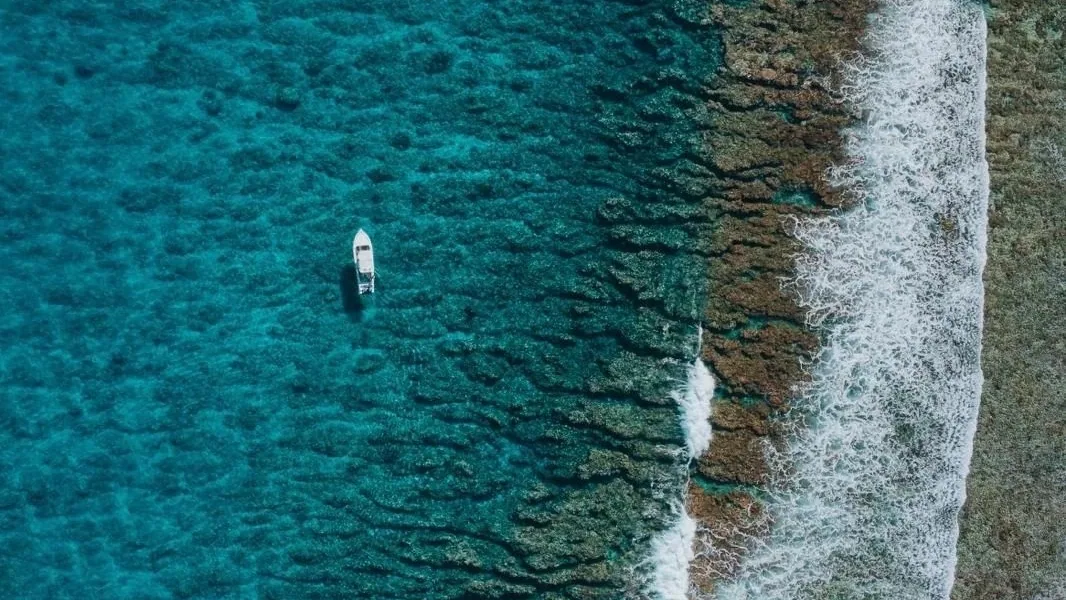
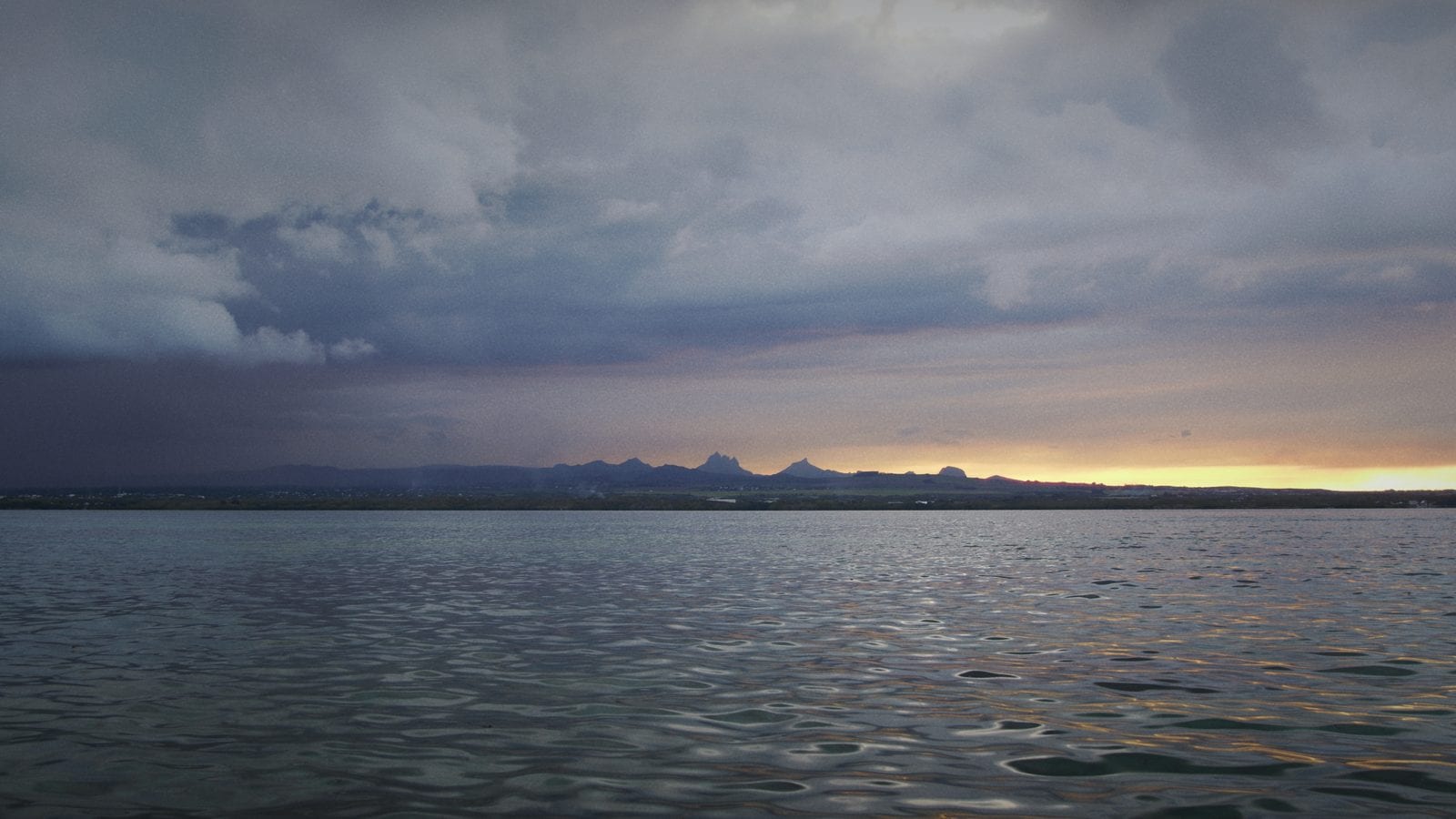
Mauritius has volcanic origins, and its geology has helped shape mountain ridges, green valleys, rivers, waterfalls, lagoons and contrasting coastlines. These settings also carry culture, biodiversity and everyday local life. This guide is for curious travellers who want to understand those connections, keep wildlife expectations realistic and build an active trip that still feels like a holiday.
Good to know
FAQ
When should I request a tailored Mauritius adventure plan?
Send an enquiry once your dates, group and main priorities are reasonably clear. Timelines and scheduling vary, so Andeor will need to confirm what can be arranged for your dates. Starting the conversation early also leaves more room to compare regions and discuss suitable experiences.
Can a Mauritius adventure combo trip work for families or mixed fitness levels?
It can, provided each experience is checked against the needs and confidence of everyone taking part. Share ages, fitness, water confidence, comfort with heights and mobility needs. The group may also prefer different daytime options followed by shared lighter activities.
Can the itinerary balance active days with coastal downtime?
Yes. A balanced plan can place recovery time between hiking, waterfall and kayaking days while grouping experiences by region. Tell Andeor how many demanding days feel realistic and whether relaxed mornings, cultural stops or uninterrupted coast time are priorities.
A region-by-region approach matters because either coast can work as a base, but neither is automatically convenient for every experience. The useful question is not how many adventures you can fit into a week. It is which landscapes belong together, how much travel sits between them and where your group will need a gentler day.
Mauritius has several different adventure landscapes
It is easy to look at a map and assume that every part of Mauritius is equally convenient to reach. In practice, journey times and daily plans depend on the route, terrain, traffic, access point and current conditions. A mountain morning in the south-west is not interchangeable with a river paddle or a coastal outing elsewhere.
Mountain landscapes can involve exposed ground, steep sections and sustained effort. Waterfall environments may add wet or uneven terrain, moving water, heights and slippery surfaces. Kayaking can range from a gentle paddle in sheltered water to an outing that requires more stamina and confidence. The activity name alone does not tell you how demanding the day will be.
Culture deserves space in the plan too. A village, market, historic setting or local meal can help you understand the landscape beyond its photo opportunities. These quieter experiences also make useful bridges between physically demanding days.
Start with effort, not activity count
Before choosing individual outings, give each possible day a simple effort label: demanding, moderate or light. Do this honestly for the least confident person in the group, not only for the keenest hiker.
A demanding day might involve a long or steep hike, a technical waterfall experience or several hours of sustained paddling. A moderate day could be a shorter guided walk, an easier paddle or a nature visit with manageable time on foot. A light day might include a coastal pause, cultural visit, short scenic walk or an unhurried meal.
The labels are personal. Someone comfortable on mountain trails may still dislike heights. A strong swimmer may not feel relaxed in moving water. A child, older relative or traveller returning from an injury may need a different pace. Ask about terrain, duration, water confidence, height exposure and exit options before deciding where an experience belongs.
A useful planning rule: count demanding days, not just booked activities.
Combine hiking, waterfalls and kayaking sensibly
Hiking, waterfall exploration and kayaking can fit into the same Mauritius trip, but placing them on consecutive days may be tiring. Each can use similar muscle groups while adding different mental demands, from route finding and heights to balance and water confidence.
Start with the experience that matters most to your group. Build recovery around it, then add other activities only if they complement the journey. If a mountain hike is the priority, avoid putting your most demanding waterfall day immediately before it. If canyoning-style exploration is the main event, allow room afterwards rather than committing to another early start.
It is also important to distinguish a waterfall hike from a canyoning-style experience. A hike may still involve uneven, wet or steep ground, but canyoning-style days can introduce additional equipment, water movement, heights or technical elements. Confirm the exact format, current conditions and provider requirements rather than relying on a broad activity label.
Use regions to reduce backtracking
A balanced itinerary groups experiences by area where practical. This does not mean staying beside every trail or launch point. It means noticing when a plan repeatedly sends you across the island and asking whether a different base, activity order or transfer arrangement would make the journey calmer.
The west and south-west can make sense when mountain, waterfall and west-coast experiences are priorities. The south and south-east can support a different mix of coast, heritage, villages and nature. Northern and eastern stays may suit travellers who want more time in those coastal settings, but active days elsewhere may involve longer transfers.
Either coast can therefore be the right choice. The decision depends on your priority days, the number of bases you are comfortable using and whether you prefer shorter transfers or a longer stay in one place. Changing accommodation too often can save driving on paper while creating more packing and check-in time in reality.
Alternate demanding and lighter days
A simple rhythm is demanding, light, moderate, light. It leaves room for tired legs, changing conditions and spontaneous discoveries. It also helps mixed groups stay together without requiring everyone to join every activity.
A lighter day does not have to mean doing nothing. It might include a market, local food stop, cultural visit, scenic drive or easy coastal walk. The point is to reduce pressure, not to fill the empty space with three smaller appointments.
Keep at least one flexible period around any experience that depends heavily on current weather, water levels or sea conditions. Flexibility does not guarantee that an outing can go ahead, but it gives your itinerary more room to respond to local advice and provider decisions.
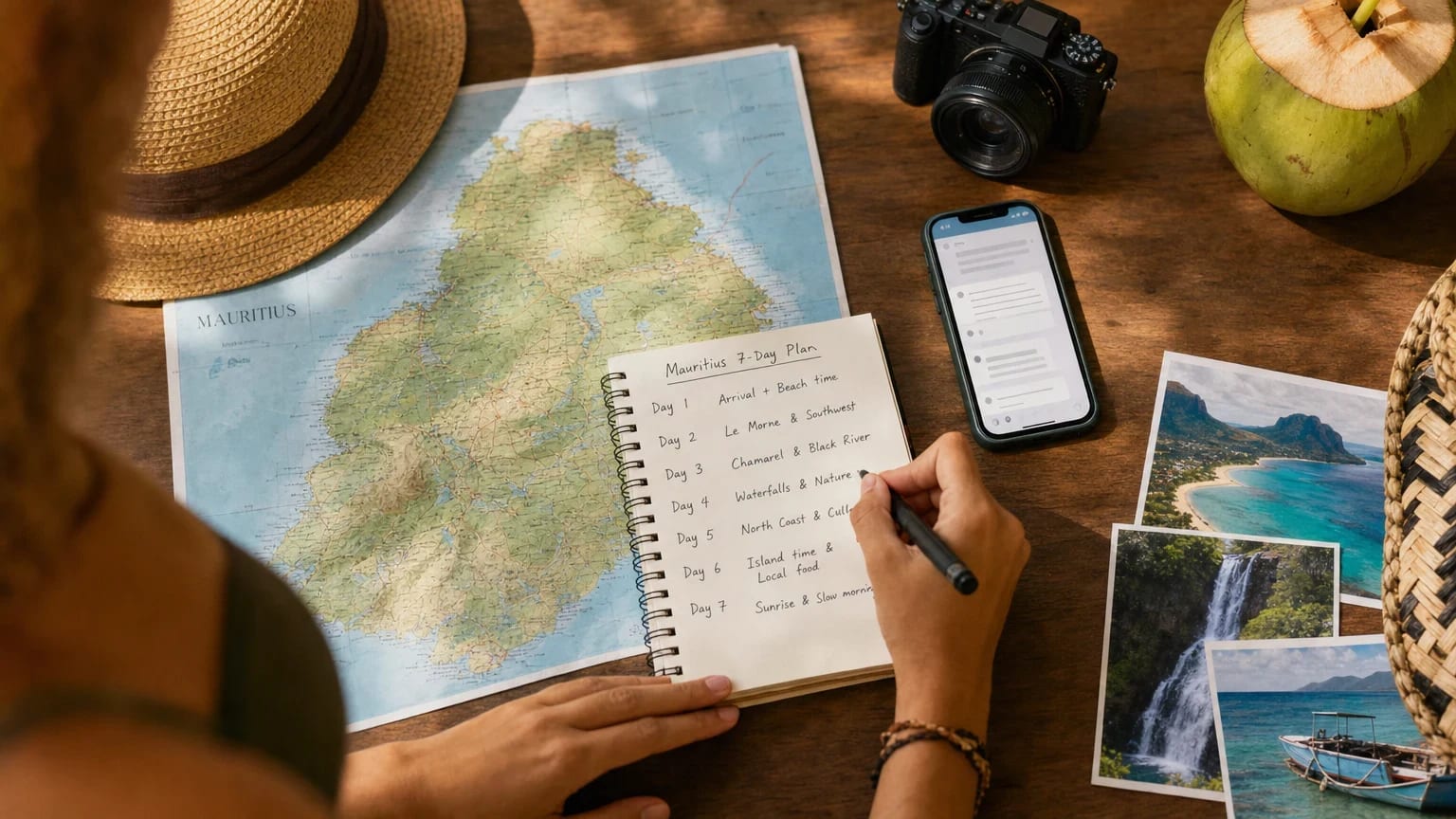
Seven, ten and fourteen-day planning frameworks
A seven-day trip: choose two main active experiences
For a week in Mauritius, choose one main land experience and one main water experience. For example, pair a hike with a suitable kayak outing, or choose a waterfall day and a coastal paddle. Leave the arrival day gentle, separate the active days and protect time for the coast.
Trying to include a major hike, technical waterfall day, long kayak, multiple cultural visits and several hotel changes can quickly make seven days feel rushed. If all three adventure types matter, consider making one of them a shorter or less demanding version.
A ten-day trip: build a three-part rhythm
Ten days give you more room to combine hiking, waterfall exploration and kayaking. A sensible framework is an easy arrival period, a first active day, recovery, a second active day, cultural or coastal time, then a final active experience if the group still feels comfortable.
This length can also support two bases without making the whole trip about moving luggage. Choose those bases around your priority landscapes rather than dividing the island into equal portions.
A fourteen-day trip: add depth rather than more boxes
Two weeks allow a fuller Mauritius adventure itinerary, but the extra days do not need to become extra bookings. You can spend longer in each region, include proper recovery and add culture, food or nature interpretation between active days.
This is also useful for groups with different interests. One traveller might choose a more demanding guided day while another enjoys a relaxed alternative. Shared meals and lighter outings can bring the group back together without asking everyone to have the same ability or appetite for adventure.
Adapt the plan for families and special occasions
For families, ask about minimum participation requirements, terrain, duration, briefing, supervision, equipment and practical exit points for every experience. Age alone does not show whether an activity is a good fit. Familiarity with walking, water, heights and instructions matters too.
For birthdays, anniversaries, honeymoons or group celebrations, decide which moment deserves the most energy. Avoid placing the hardest outing immediately before an important dinner, ceremony or travel day. Sore legs are memorable, but perhaps not in the way you intended.
Private planning may help when abilities differ. Ask whether separate daytime options, an adjusted pace or a shared meeting point later can be arranged. Any proposed arrangement needs to be confirmed for your dates against current provider requirements and conditions.
Keep wildlife expectations realistic
Marine wildlife may be present along some kayaking and coastal routes, depending on the location, season and current conditions. Any sighting is led by nature and should not be treated as an included or promised part of an outing. If animals are present, do not approach, pursue or crowd them. Keep a respectful distance and allow their behaviour to lead the encounter.
Before booking, ask whether the outing has guidance for unexpected wildlife encounters and what guests are expected to do. If wildlife appears, avoid approaching, following or crowding it, and follow any instructions given for the outing. It is also worth asking what the trip includes when no animals are seen, as the experience should still suit you as a paddle or nature outing without depending on a sighting.
Confirm the practical details
Before committing to an active day, share accurate information about the group. Include ages where relevant, general fitness, hiking experience, swimming ability, water confidence, comfort with heights, mobility considerations and any other details requested in the provider's participation process.
Ask for the expected duration, terrain, technical elements, meeting point, transport arrangement, required clothing, footwear and equipment. Confirm what happens if weather, water levels, sea state or route conditions are unsuitable. Scheduling, participation requirements and the final format should be confirmed directly for your dates.
It also helps to explain what you do not want. If early starts every day would spoil the trip, say so. If your family wants one challenging experience but otherwise prefers gentle nature days, mention that. A useful itinerary is shaped by limits as much as ambitions.
Plan a tailored journey with Andeor
A tailored plan can connect active days with suitable bases, transfers, cultural stops and genuine downtime. When enquiring, share your dates, group size, preferred accommodation areas, priority experiences and the pace you normally enjoy.
You do not need to arrive with a finished schedule. A short description such as “one memorable hike, a waterfall experience suitable for mixed confidence levels, gentle kayaking and plenty of coast time” is often more helpful than a crowded day-by-day list.
Andeor Editions
Plan the trip around you
Share the landscapes you want to explore, your group's comfort levels and the pace that feels right. Andeor can help shape a balanced Mauritius journey around active days, culture and time to recover, subject to current conditions and confirmation.