Mauritius Weather by Region: A Practical, Weekend-Ready Guide to Seasons, Conditions and Flexible Plans
Understand how Mauritius weather can vary between the coast, central plateau and exposed regions, then use a practical guide to plan flexible hiking, beach and cultural…
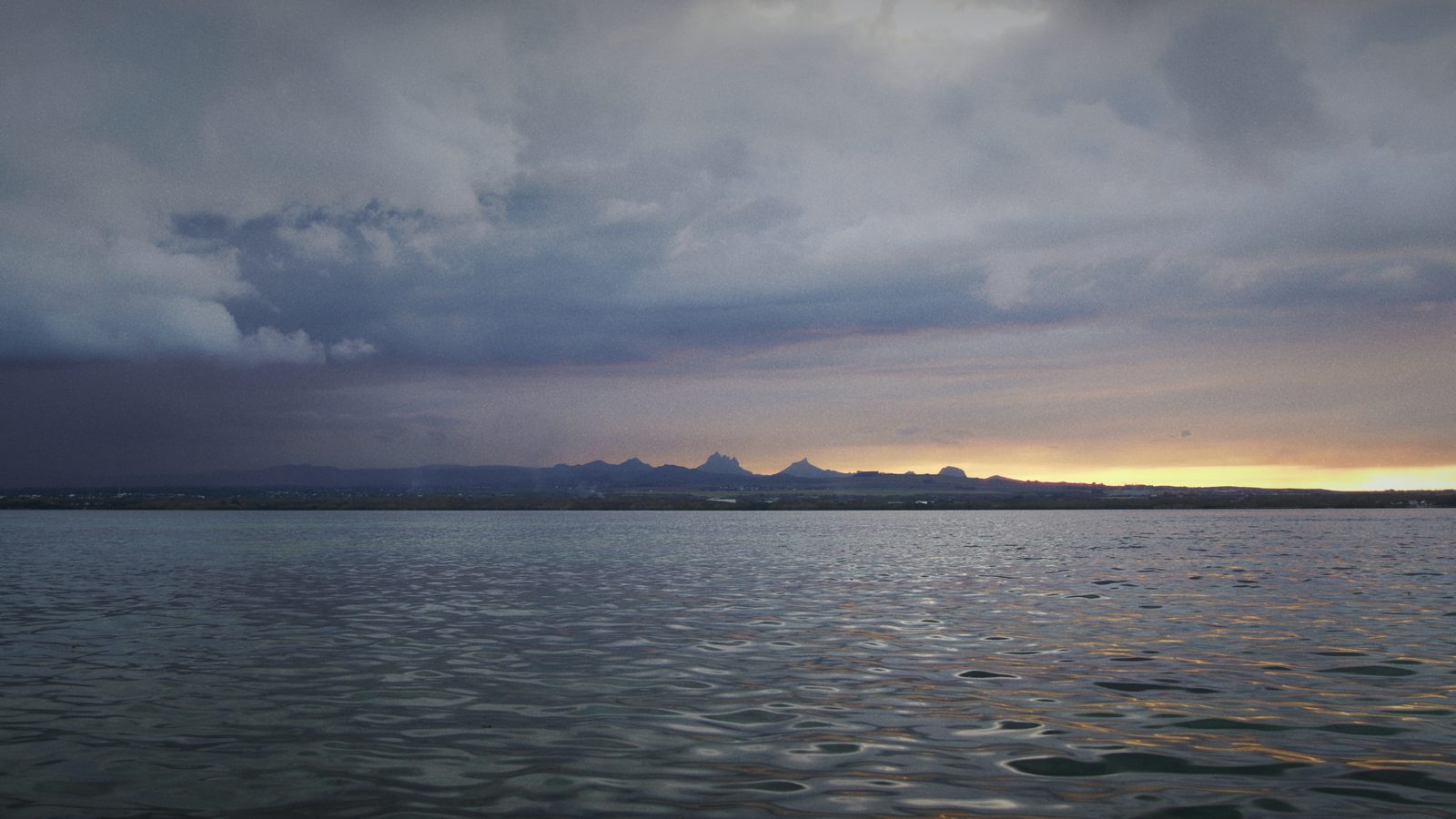
Dark clouds over the sea and distant mountains along the Mauritian coast. Photograph from Groundwork.
Good to know
FAQ
Which Mauritius region should I prioritize when the weekend forecast is mixed?
Start with the conditions that matter to your planned activity. For hiking, check the exact route and recent rainfall. For a coastal day, check wind and water conditions at the intended location. If uncertainty remains, choose a flexible cultural or food-focused day close to your base rather than chasing clearer skies across the island.
How should the season affect a weather-ready Mauritius itinerary?
Use the season to shape the broad rhythm, packing and balance of the trip, but use timely regional forecasts and local checks for individual days. Put priority outdoor experiences early enough to move, and keep at least one worthwhile alternative that fits your interests.
What practical information should I share when asking Andeor for recommendations?
Share your dates, preferred regions, group makeup, walking ability, water confidence, key interests and the experiences you most want to prioritize. It also helps to explain how comfortable you are with changing the order of days when current conditions suggest a better plan.
Mauritius weather rarely fits neatly into one island-wide forecast. Terrain, elevation, wind exposure and passing showers can make one region feel different from another, even within the same day. That does not mean you need to rebuild your holiday every morning. It means planning the weather-sensitive days with a little breathing room.
This practical, weekend-ready guide will help you prioritize hiking, beach and cultural plans according to the season and current conditions. We recommend treating forecasts as timely planning tools rather than promises. With a sensible backup plan, a change in weather can provide inspiration for another part of the island instead of becoming a lost day.
Mauritius weather is local, not just seasonal
A forecast for Mauritius gives you a useful starting point, but it may not describe what you will experience beside a particular lagoon, in the mountains or on an exposed headland. The central terrain can hold cloud while a coastal area looks brighter. Wind may also matter as much as rain when you are considering kayaking, a boat outing or a long beach day.
Look at three layers together: the general season, the forecast for the specific region and the latest local conditions. For an active day, recent rainfall and the state of the trail or water may be more useful than a simple rain icon. For a cultural visit, short showers may change very little beyond the order of your stops.
Mauritius weather by region: a practical comparison
North: Often considered for lagoon time, easy coastal days and access to towns and gardens. Check heat, sun exposure, wind and the condition of the sea before committing to a full day on the water.
West: A useful base for combining coast time with access to Le Morne, Black River and western nature experiences. Conditions around a mountain or gorge should still be checked separately from the weather at your accommodation.
Central plateau: Higher ground may feel cooler, cloudier or wetter than the coast. It can work well for gardens, towns, viewpoints and inland stops, but visibility and recent rain matter if your plan depends on a clear panorama or an outdoor trail.
East: The eastern coast can feel more exposed to wind. That may affect how a beach, lagoon or boat day feels, so ask about the exact departure point and current water conditions rather than relying only on a general island forecast.
South-east: This region combines coastal exposure with cultural and historical possibilities around Mahébourg. When the water is not the best fit for your group, a slower day focused on local history, food and the waterfront can be a natural alternative.
South and south-west: The landscapes can feel open and exposed, while Le Morne and nearby terrain add their own local considerations. For hiking or water-based plans, confirm wind, rain, visibility, trail state and provider advice before setting out.
Weekend-ready decision table: what should you prioritize today?
Forecast is settled and the route has been checked — Prioritize your main hike or another outdoor day that is difficult to move. Coast is bright but inland terrain is wet or cloudy — Consider a beach, lagoon or gentle coastal plan, subject to local wind and water checks. Wind is affecting an exposed coast — Ask whether another coast is more suitable, or choose an inland cultural day. Recent rain has affected a trail or waterfall area — Do not assume the route is suitable. Contact the guide or provider and use your backup plan if advised. Showers are passing through, with no relevant warning or closure — Choose a flexible town, garden, museum, food or market day where stops can be reordered. Conditions are uncertain across several regions — Slow the pace. Keep the day local and move the priority experience rather than forcing it.
This is a planning aid, not a live weather or safety assessment. Official warnings, access restrictions and current decisions from the responsible activity provider should take priority.
How the season affects a flexible Mauritius itinerary
Seasonal patterns are useful for deciding the broad shape of a trip. They are less useful for assigning every outdoor experience to a fixed date months in advance. A warmer, wetter period may call for more attention to heat, humidity, showers and recent rainfall. A cooler, drier period can still bring wind, cloud or local rain.
The most practical approach is to reserve space for the experiences that matter while keeping their exact order flexible where bookings and logistics allow. If a mountain day is a personal priority, do not leave it until the final morning. Give it at least one possible alternative slot earlier in the journey.
Andeor Editions
Compare Mauritius seasons
Read the existing guide to the best time to visit Mauritius for nature, including seasonal considerations for hiking, waterfalls and coastal downtime.
Planning hiking days around weather and trail conditions
Hiking deserves the least rigid slot in your itinerary because the forecast is only part of the decision. Recent rainfall, heat, visibility, wind, route access and the experience of your group can all matter. A path may remain wet after the sky has cleared, while conditions at the coast may tell you little about a mountain route.
Place your most important hike early enough to move it if necessary. Avoid scheduling another demanding activity immediately before or after it, especially if your group includes children, mixed fitness levels or travellers who prefer a gentler pace.
Before leaving, confirm the route, meeting time, recent trail conditions, expected terrain and whether the guide or provider recommends proceeding. If the plan changes, choose an experience that genuinely suits the day rather than replacing one ambitious outing with another.
Andeor Editions
Build active days into a balanced itinerary
See how to choose bases, space demanding days and leave room for coastal recovery in a nature-led Mauritius trip.
A sun symbol does not answer every question about a coastal day. Wind, sea state, visibility and the exact departure area may matter for paddling, boat trips and other water-based plans. Conditions can also feel different on an open coast and inside a more sheltered lagoon.
Ask the provider what is being checked and when a final decision is normally made. If you are simply planning relaxed beach time, keep two possible coastal areas in mind and avoid a long cross-island drive until you have checked the latest forecast. Sometimes the sensible answer is not another coast but a shorter local day.
Rainy-day inspiration that still belongs in the trip
A rainy-day itinerary should not feel like a box of emergency leftovers. Choose alternatives that already match your interests: Mauritian food, Port Louis, Mahébourg, local history, markets, gardens or an unhurried meal. Some stops are partly outdoors, so opening times, access and local conditions still need checking.
A useful backup day has one main area rather than a frantic island-wide route. For example, a Mahébourg plan might combine its waterfront, cultural context and a meal nearby. A Port Louis day could focus on the city’s history and food, with the order adjusted around passing showers.
Andeor Editions
Find cultural context for a flexible city day
Explore how the harbour, historic places, markets, faith, food and migration stories shape Port Louis.
For 7 days: Choose one main base and keep the number of major weather-sensitive experiences small. Put the highest-priority outdoor day in the first half of the trip, with one realistic alternative date.
For 10 days: You have more room to combine regions without turning every weather change into a long transfer. Two bases may help if they support the experiences you actually want. Keep at least one lightly planned day between demanding outings.
For 14 days: A longer stay provides more natural flexibility, but it does not need to become a longer checklist. Consider two or three well-chosen bases, protect rest days and leave some decisions until reliable local information is available.
Andeor Editions
Choose a trip length without rushing
Compare realistic structures for 7, 10 and 14 days in Mauritius, including regions, active days and downtime.
Check the forecast for the specific region, not only Mauritius as a whole. For hiking, ask about recent rain, access, visibility and the route underfoot. For water-based plans, ask about wind, sea or lagoon conditions, the departure point and provider advice.
Also confirm practical details before travelling across the island: opening times, reservation changes, pickup arrangements and whether the alternative suits every member of the group. Follow any official warning or closure. If current conditions affect an activity plan, follow the provider’s latest guidance and use your backup plan rather than trying to force the original schedule.
Flexibility works best when it is built into the itinerary before the forecast changes.
Practical FAQs for a weekend-ready Mauritius plan
How Andeor can shape a weather-aware Mauritius journey
Weather-aware planning is not about trying to control every day. It is about choosing sensible bases, identifying the plans that depend most on good conditions and giving those experiences room to move. That can be especially useful for families, private groups, special occasions and travellers balancing active nature days with coastal downtime.
Andeor Editions
Plan the trip around you
Share the style of journey you want, the experiences you want to prioritize and the pace that suits your group. Andeor can help shape a flexible Mauritius plan around your interests, chosen regions and the season of your visit.