
Where Food Fits Into a Mauritius Trip: Markets, Street Snacks and Easy Planning Tips
Planning a food tour in Mauritius, or just wondering how local food stops could fit into your island itinerary? Here is how to include markets, street snacks and…
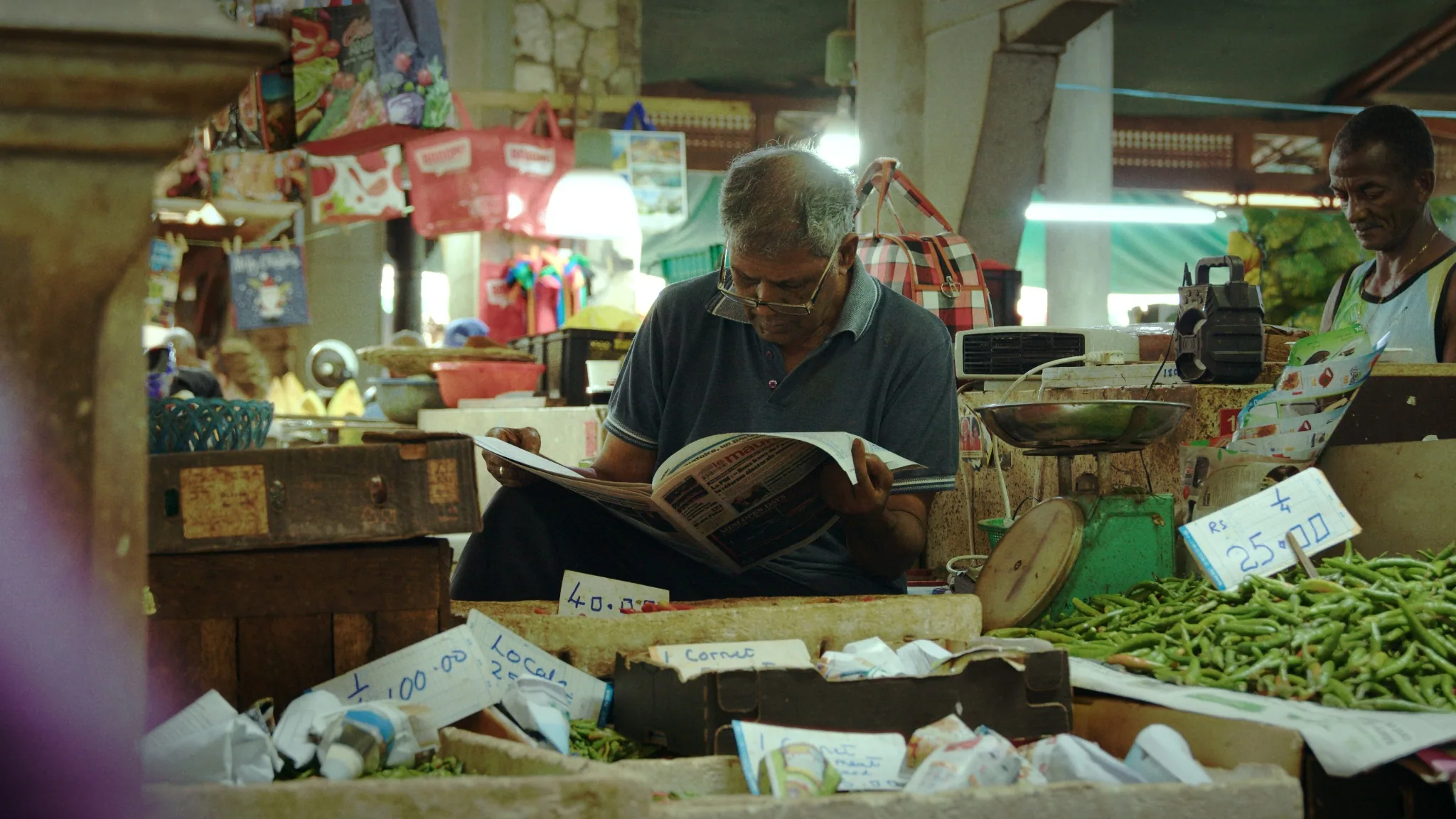
Planning a food tour in Mauritius, or just wondering how local food stops could fit into your island itinerary? Here is how to include markets, street snacks and…
Good to know
An Deor can help shape a food-led private day or include markets, snacks and local meals within a wider itinerary. Exact stops, opening times and any dietary arrangements should be checked during planning before they are confirmed.
It can be, especially when the pace is gentle. Shorter stops, shaded breaks, simple backup options and clear notes about children’s tastes or needs can make the day easier for everyone.
Share your dates, where you are staying, group size, preferred pace, allergies, dietary restrictions, spice comfort, whether you prefer casual stalls or seated meals, and any access or bathroom needs.
Yes. Food often works best when it fits the route naturally, such as a market visit near a town stop, a snack break between activities, or a relaxed lunch after a nature-led morning.
Plan the next step
Food can be one of the most memorable parts of a Mauritius trip, but it does not need to become a packed tasting checklist. For many travellers, the best food moments happen naturally: a market visit at the right time of day, a simple local snack between two stops, a relaxed coastal lunch, or a cultural stop that gives the meal more meaning.
If you are searching for a food tour in Mauritius, it may help to think a little wider than a single tour label. Do you want a guided market walk? A few local food stops built into a private day? A family-friendly route with easy breaks? Or a cultural itinerary where food is one thread among nature, coast and everyday island life?
This guide is here to help you plan food experiences in a calm, realistic way. An Deor can help shape a tailor-made Mauritius itinerary, but exact stops, routes, dietary arrangements, opening times and local availability need to be checked during planning before they are treated as confirmed. Food is wonderful. Guesswork, less so.
A good Mauritius food experience should feel connected to the rest of your day. If you are already travelling through a town, visiting a market nearby may make sense. If you have a nature-led morning, a simple local lunch afterwards may feel better than adding another long detour. If you are travelling with children or older relatives, comfort and timing may matter more than squeezing in one more snack stop.
This is where tailored planning helps. Instead of asking, “What is the best food tour?” it is often more useful to ask, “Where does food fit into our actual route, pace and energy?” The answer will be different for a couple on a special-occasion trip, a family staying near the coast, and a small group wanting a more local day with cultural context.
A food-led day in Mauritius can be simple or more structured, depending on your style. It might include a market visit, a few casual food stops, a local lunch, a short cultural stop, or time to explore a neighbourhood with someone who can explain what you are seeing and eating.
For some travellers, the food is the main reason for the day. For others, it is a way to add local flavour to a broader itinerary. Both approaches are valid. The important thing is not to overload the day with too many stops. After the third rushed bite in a hot car park, even the most curious traveller starts looking at the air-conditioning with deep affection.
When planning, think about what kind of experience you actually want. Do you enjoy walking and browsing? Do you like trying small bites as you go? Would you prefer a seated meal with time to talk? Are you interested in everyday local life, or mainly in tasting as much as possible? These answers change the shape of the day.
Markets can add colour, sound and everyday rhythm to a Mauritius itinerary. They are often better when they are not treated as a quick photo stop. Give yourself time to look, ask questions respectfully, and understand what is seasonal or commonly used in local cooking.
Timing matters. A market can feel lively at one point in the day and much quieter later. Some visits may be better on certain days or at certain hours, depending on the place. Because these details can change, An Deor should confirm the most suitable timing before building a market visit into your plan.
If you are nervous about navigating a market alone, ask whether local guidance can be included. A good guide or host can help you move at the right pace, understand what you are seeing, and avoid turning the visit into an awkward point-and-stare exercise.
Street snacks and casual food stops can be a lovely way to break up a day, especially when they are placed naturally between activities. They work well as short pauses rather than formal events. A snack stop on the way to a viewpoint, beach area or cultural visit can feel easy and memorable without taking over the whole itinerary.
The key is comfort. Some travellers want to try everything. Others want to be more careful with spice, unfamiliar ingredients or hygiene standards. Neither approach is wrong. A thoughtful plan should make space for curiosity and common sense.
Before planning casual food stops, share your comfort level clearly. Say whether you are open to very local settings, prefer seated places, need easy bathroom access, or want options for children. These practical details help shape a better day.
Food planning works best when it follows the geography of your trip. If you are already exploring one part of the island, it is usually better to choose food stops that fit that route rather than crossing the island just for one meal. Mauritius may look compact on a map, but travel time, heat, traffic and group energy still matter.
A northern or urban-style day may lend itself to markets, casual food stops and cultural browsing. A western or south-western day may pair better with nature, coastal time and a relaxed meal before or after an active experience. A quieter coastal day might only need one well-placed local lunch rather than a full food itinerary.
There is no single correct route. The right choice depends on where you are staying, how many days you have, whether you have already planned hikes or waterfall visits, and how much downtime you want. Food should support the rhythm of the trip, not fight it.
If food is a light interest, you may only need one or two well-chosen stops across the trip. This could be a market visit on one day and a relaxed local lunch on another. If food is a bigger reason for travelling, you may want a half-day or full day shaped around markets, tastings, cultural context and a slower meal.
For a seven-day trip, food may fit best as part of one private day rather than several separate detours. For a longer trip, you can spread local food moments across different regions so they feel natural. If you are planning 10 or 14 days, you may have more room to balance markets, nature-led days, beach time and unplanned meals.
The main mistake is adding food stops to every day because they sound interesting on paper. A good itinerary leaves room for appetite, rest and the occasional change of plan. Nobody needs a spreadsheet telling them to be hungry at 10:15.
Families often need a gentler rhythm. Shorter stops, familiar backup options, shaded breaks and flexible timing can make a food experience much easier. If you are travelling with young children, it may be better to include one market or snack stop rather than build the whole day around food.
Couples may want a slower, more personal feel. A food-focused day can be woven into a special-occasion trip, especially if it includes time to talk, explore and enjoy a relaxed meal without racing to the next stop.
Small groups should be honest about differences in taste and comfort. Some people may be excited about local snacks, while others may prefer a more familiar lunch setting. A good private itinerary can usually balance these preferences better than a rigid group format, as long as the needs are shared early.
If you have allergies, dietary restrictions or strong preferences, say so before the itinerary is shaped. Do not wait until the day itself. This is especially important for food-led planning, where small vendors, market stops or casual eateries may not always be able to adapt on the spot.
An Deor can use your information to ask better questions and check what may be realistic. However, dietary arrangements should be confirmed with the relevant people before being treated as part of the plan. Clear communication is kinder to everyone: travellers, guides, hosts and food providers.
Useful details include allergies, foods you avoid, spice tolerance, whether you eat seafood or meat, whether children need simpler options, and whether you prefer restaurants, casual stalls or a mix. The more honest you are, the better the plan can feel.
A balanced food-friendly day might start with a market visit when timing is suitable, followed by a short cultural or neighbourhood stop. Then you could include one casual snack or drink break before a relaxed lunch. After that, the day might slow down with coastal time, a scenic stop or a return to your accommodation.
This kind of structure gives food enough space without turning the day into a race. It also works well if you are combining food with photography, light walking, cultural interest or a wider private itinerary.
For more active travellers, food can sit after a morning hike, waterfall visit or nature-led experience. In that case, keep the food plan simple and restorative. After a hot or active morning, a comfortable lunch may be much more enjoyable than a long list of stops.
Before requesting a food tour in Mauritius or a food-friendly itinerary, it helps to gather a few answers. Where are you staying? How many days do you have? Are you already planning hikes, waterfalls or boat-based days? Do you want food to be the focus, or simply part of the journey?
Also think about pace. Do you want a private day with flexibility, or are you comfortable following a fixed route? Do you prefer walking through markets, sitting for a proper meal, or making quick stops between other experiences? Are there any dietary needs, allergies or comfort concerns?
Sharing these details early helps An Deor shape a plan that feels personal rather than generic. The goal is not to tick off every possible food stop. It is to build a Mauritius journey where food adds warmth, context and pleasure to the days you are already excited about.
Andeor guidance
Tell An Deor what kind of Mauritius journey you have in mind, including your interest in markets, local food stops, nature days, coastal downtime and comfort needs. The team can help shape a balanced plan before the details are confirmed.
Keep reading


